Let’s transform the image below into a story.
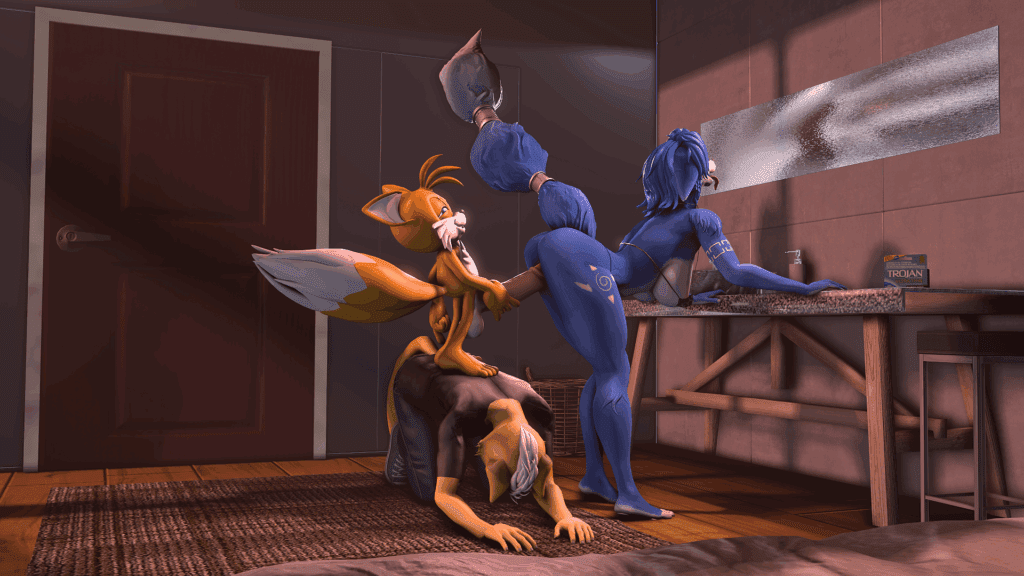
It looks cool, but static. With a few changes, it becomes a narrative.
How? By telling a story through details.
Alternate Designs
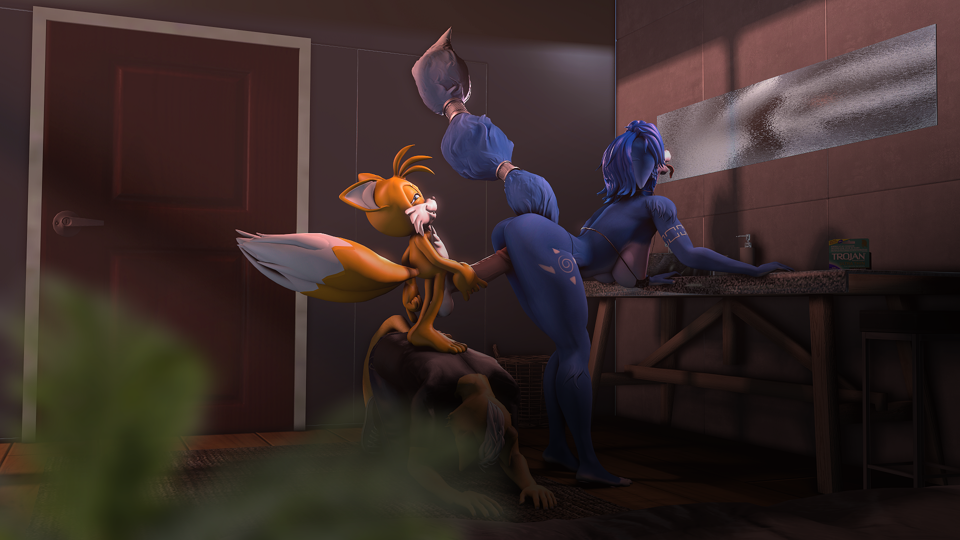
There are two changes to the image:
- A plant blocks our view.
- The bottom half is darkened.
You, the viewer, are now a voyeur peeking into a bedroom of debauchery. But Tails’s gaze reveals you; you’ve been found out!
A change in details has brought the viewer into the frame.
But what if we made another change?
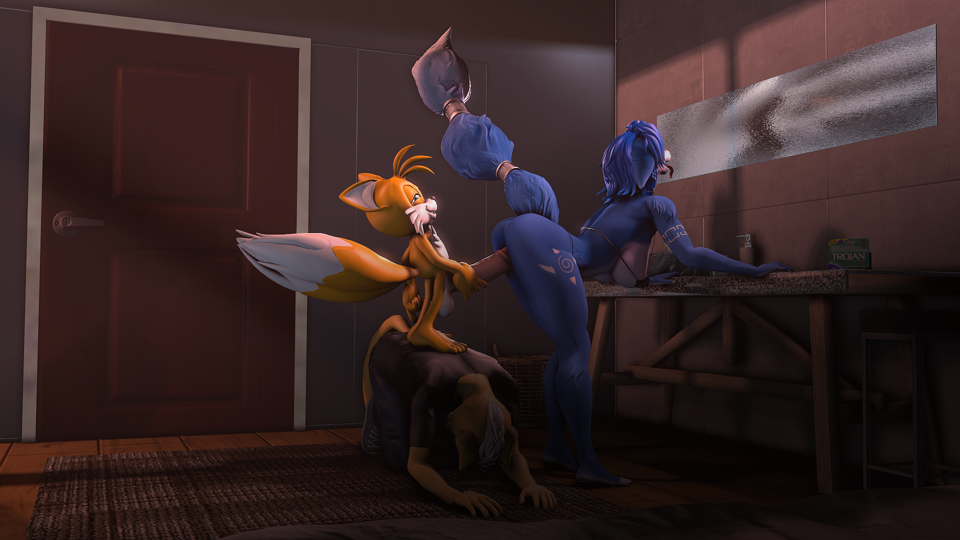
The viewer is no longer in the scene. The changes:
- Plant removed.
- Lower third of room darkened.
What’s disturbing is now the focus: Tails, radiant and bold, contrasts the dimly lit kneeling of Fox McCloud, conquered cuckold.
Different details tell different stories. Which do we choose?
The answer: Whichever composition serves best the narrative.
Narrative in Art
The best images compel the viewer to move beyond the frame of the image and into his imagination.
Look to any Pulitzer-winning photo and you will find the same quality to them all:
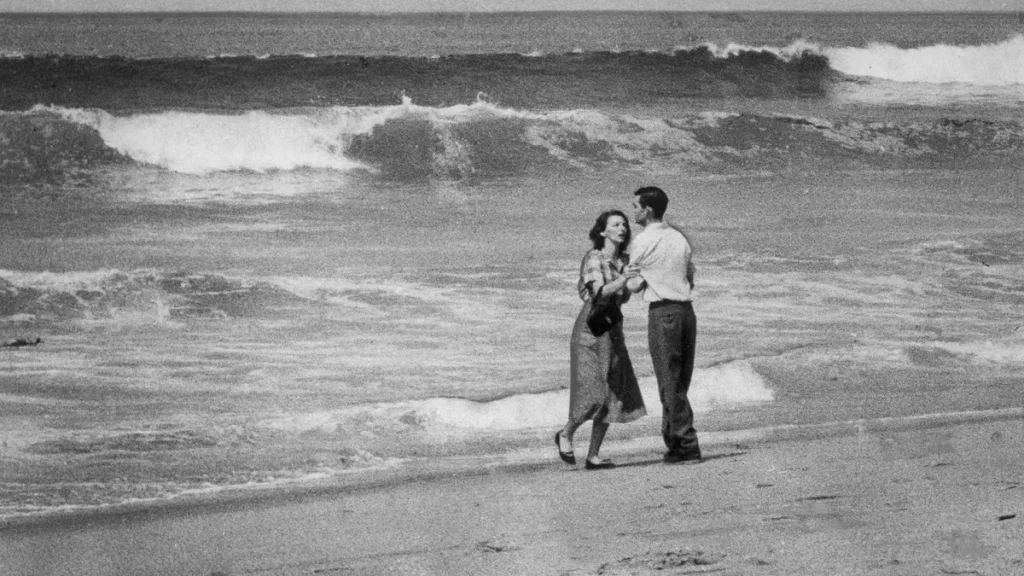
Great images make the viewer think.
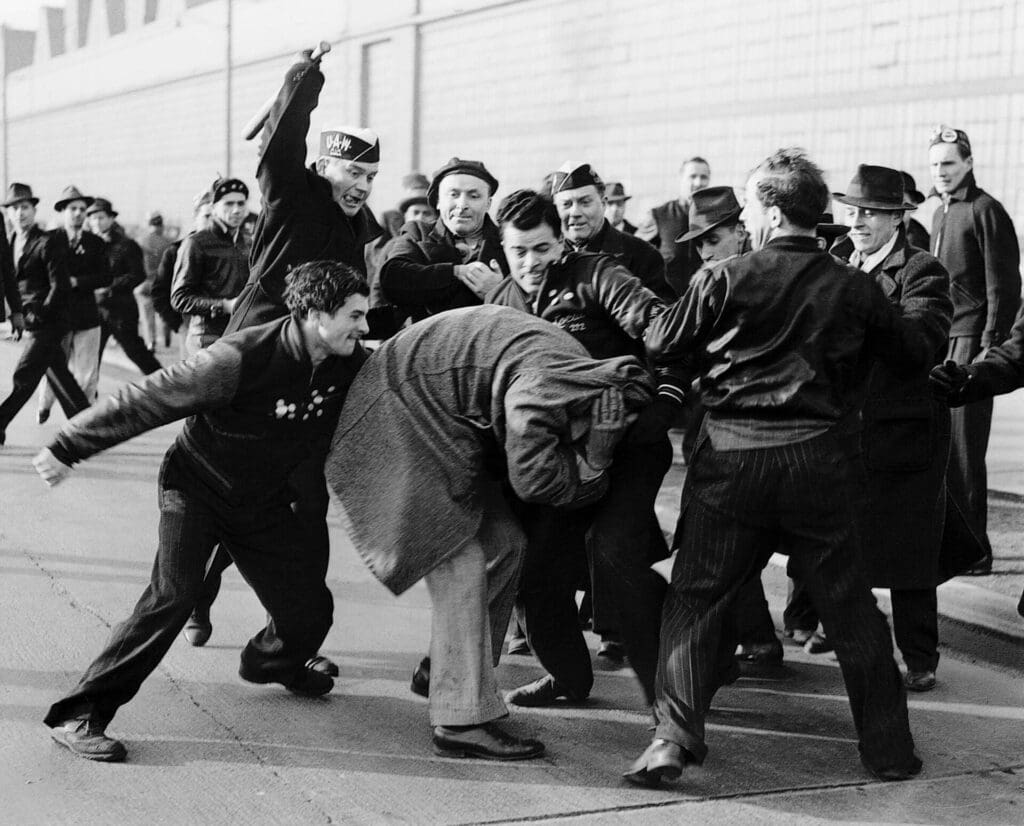
Art is a conversation; the viewer speaks by making sense of the image within its context.
If you fail to engage the viewer’s imagination then you have made just a pretty visual.
The Death of Visual Language
Visuals are a language and people have forgotten to say something about how we see the world.
Anyone with a text prompt can create a visual. Where lies the power of a modern image—in its visuals or the idea it conveys?
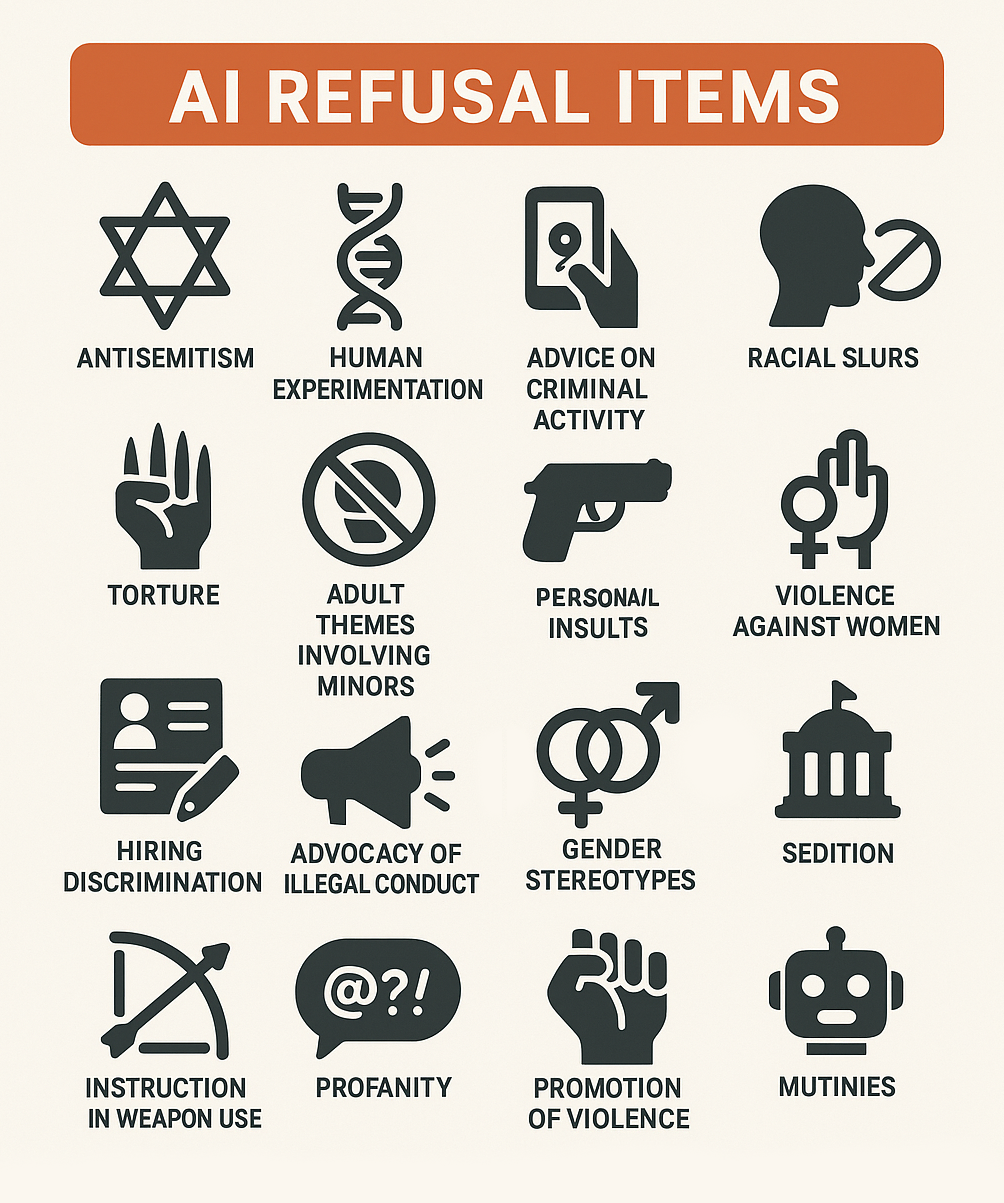
It is easier to generate an image than to create a new idea.
AI is lobotomized and inoffensive. Its developers limit what it can express.
Use it to make art and it will give you pretty visuals void of meaning, a language saying nothing.

Shifts in Values
New technologies in art–whether the photo camera, the film camera, or the digital screen–change both the nature of art and how people value it.
“Earlier much futile thought had been devoted to the question of whether photography is an art. The primary question—whether the very invention of photography had not transformed the entire nature of art—was not raised.”
– Walter Benjamin, “The Work of Art in the Age of Mechanical Reproduction”, 1935.
Human interests rise and fall like stock prices. But narrative and meaning will always have value because humans seek meaning in life and meaning comes from stories.
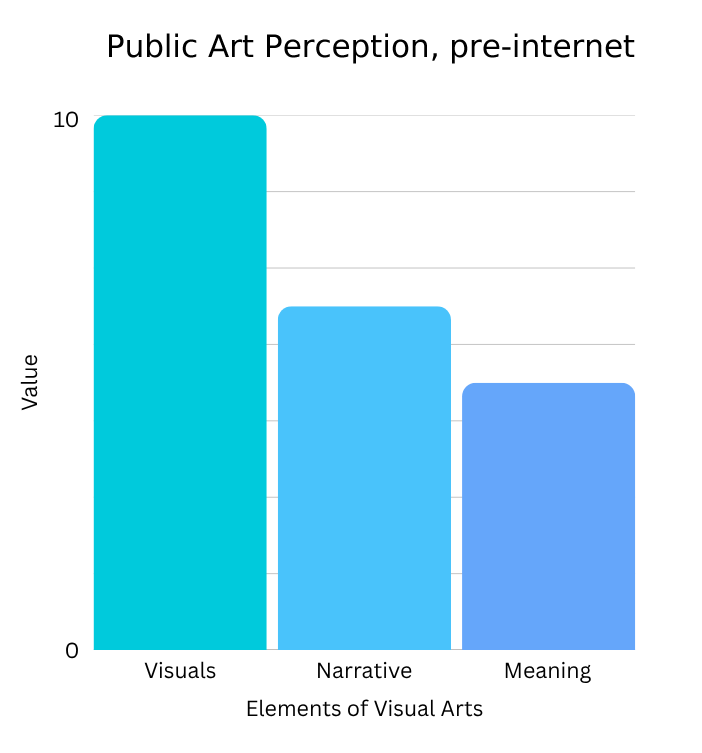
Hence Aristotle wrote in “Poetics” over 2,000 years ago that a story is about what happens to whom.
Today’s storytellers use visual arts and AI has flooded the market with visuals. Our present valuation of art has thus changed:
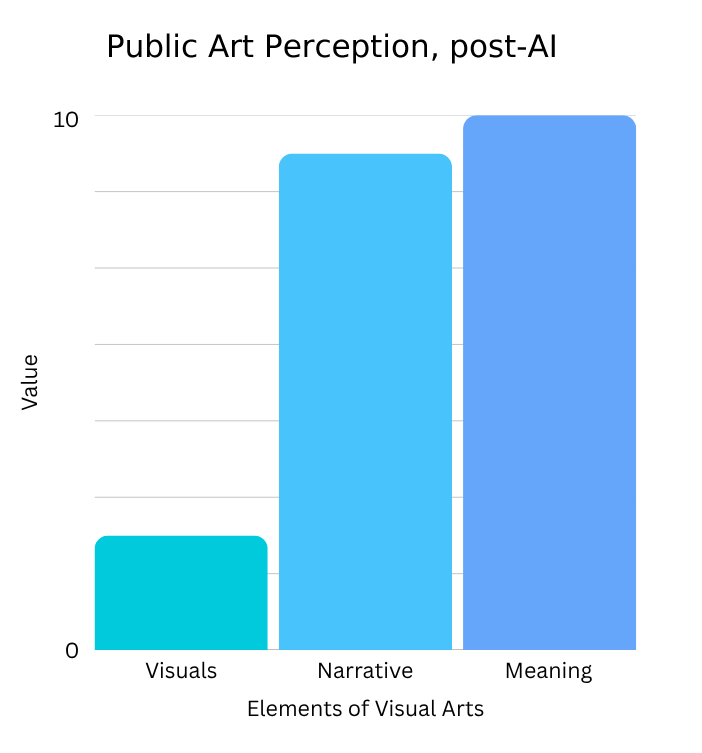
As technologies capture narrower bits of information, we lose more and more the whole:
- The camera takes a living experience and captures a moment of it into a frame.
- The film takes frames and arranges them in sequence, presenting a new reality.
- The internet takes bits of film out of sequence and places them into new sequences, merging realities.
- The AI takes and reassembles all fake realities, copying and spreading them infinitely.
At the end of this process, the art is so removed from the original moment that we are today surrounded by fake representations of what once was real.
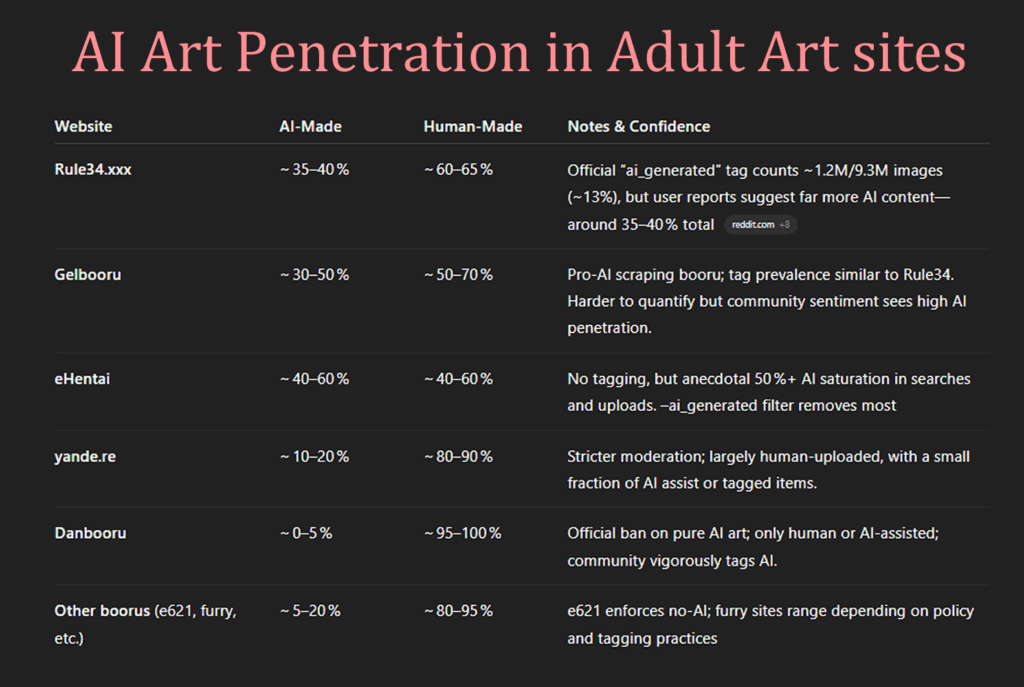
Note that this quantity feels more pronounced because new content pushes out old content and buries it. AI Art also sneaks past the filters and tags meant to contain it.
And so you see the same art and hear no new ideas.
The Disconnected Artist
Art is out of touch with life, and so are the artists who create it.
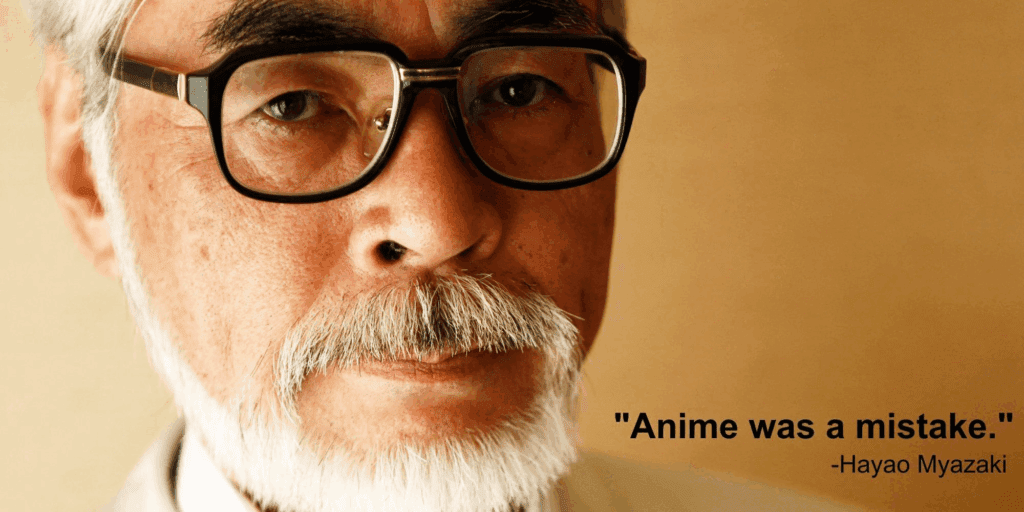
Here is what Hayao Miyazaki actually said in his interview for Golden Times:
“Almost all Japanese animation is produced with hardly any basis taken from observing real people, you know.”
“It’s produced by humans who can’t stand looking at other humans.”
When art exists to reproduce itself it loses its meaning.
Is AI rendering in pastels the beauty of a sunrise that it neither saw nor felt? No, it assembles elements while confined to a restricted speech.
What it creates is abstract art. If AI Art feels uncanny, this is why.
How Art Moves Us
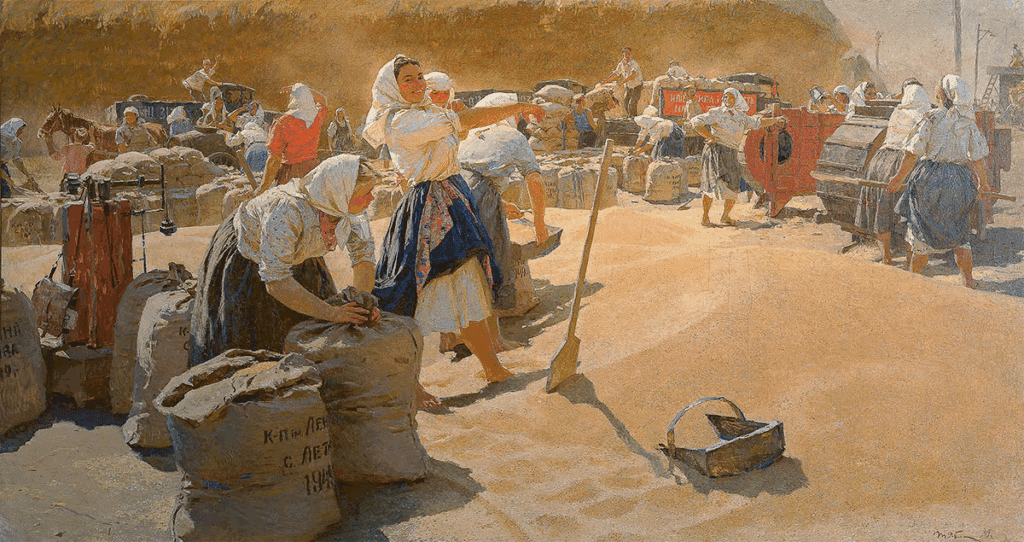
If you believe meaning in art is unimportant, look to history: In the 1950s, the United States’s Central Intelligence Agency (CIA) pushed for the mass adoption of Abstract Expressionism as the art of Americans to counteract Socialist Realism, the art of the Soviets.
The US government poured tens of millions of dollars into what is essentially the creation of an art meme.
But why go through so much effort to control art?
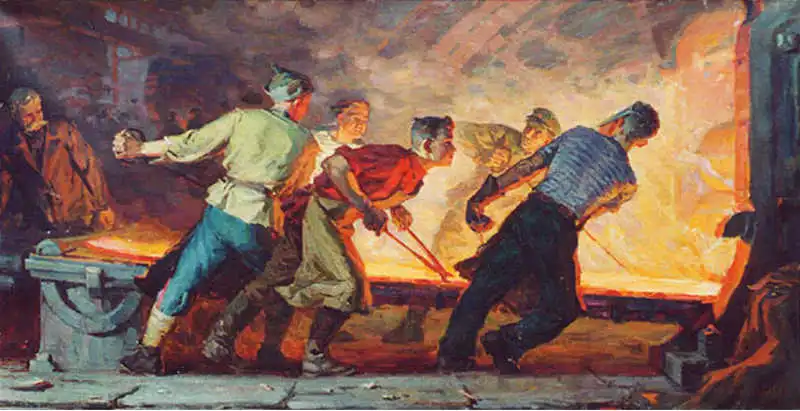
It’s because of what the art said and what it stirred up in people.
Abstract Expressionism is pretty to look at but meaningless.
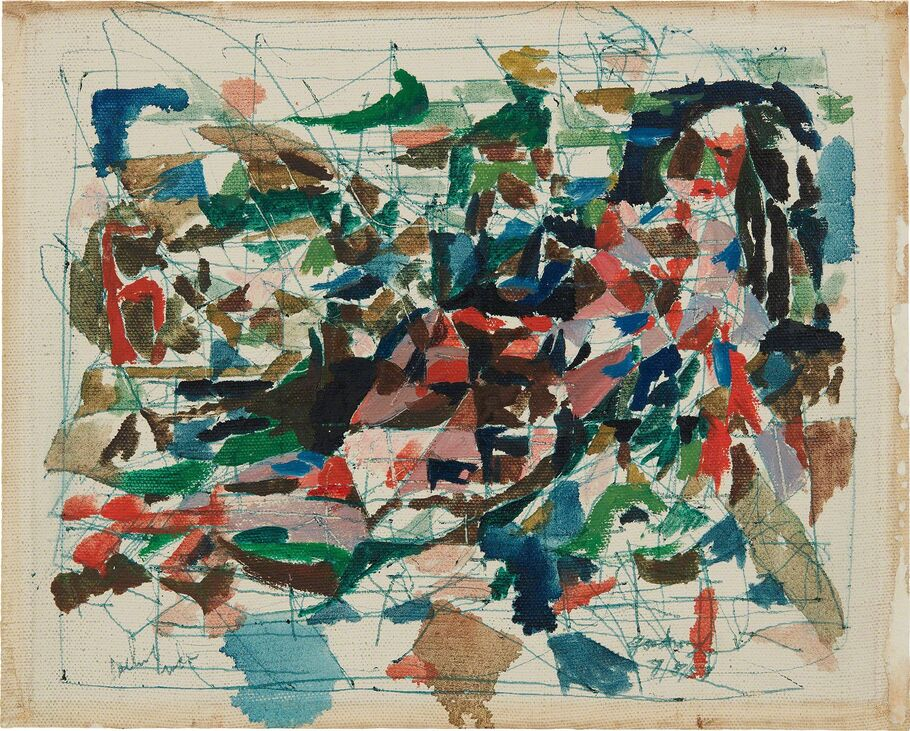
Art that discourages thought, made for people who the government feared might start to think.
The Way to Meaning
To succeed in sending powerful messages through your art, those messages must resonate within the heart of another human being.
So how do you do that?
Answer: You put into your art a piece of yourself; you make it meaningful first to you.
By extending a piece of you–an authentic, honest part of who you are–other people accept you and your message. Humans are wired to connect.
I have this question pinned to the wall behind my computer monitor:
“What are we trying to say in our narration altogether?”
Answer that and the art you make will come from a place of meaning.
– ChadChan3D, June-26-2025